Shipping containers move through a major U.S. port as trade activity continues amid tariff enforcement.
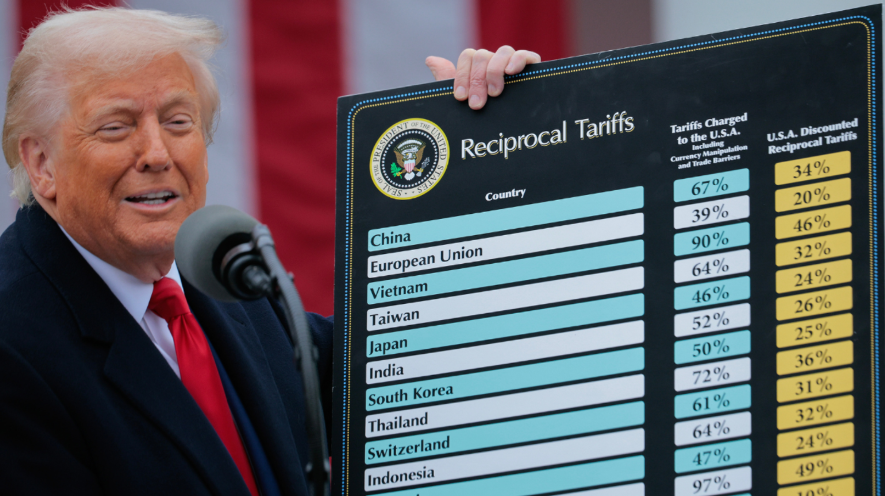
U.S. Customs and Border Protection has announced that tariff collections have reached a historic milestone, surpassing $200 billion in total revenue during the Trump administration. The figure marks the highest level of tariff revenue recorded by the agency and reflects an aggressive trade enforcement strategy focused on imports from foreign markets.
According to federal officials, the increase in tariff revenue is the result of expanded import duties, strengthened enforcement measures, and heightened oversight at U.S. ports of entry. The administration has emphasized tariffs as a key economic tool designed to protect domestic industries, reduce trade imbalances, and encourage companies to shift production back to the United States.
Tariffs as a Central Economic Strategy
Tariffs have played a central role in the administration’s broader economic agenda. Duties were imposed or expanded on a wide range of imported goods, including manufactured products, industrial equipment, and consumer items. Supporters argue that these measures have helped level the playing field for American businesses by discouraging unfair trade practices and boosting domestic manufacturing competitiveness.
Customs officials report that improved inspection technology and increased staffing at ports have also contributed to the revenue surge. Enhanced monitoring of shipments and stricter compliance requirements have reduced tariff evasion and increased collections.
Impact on the U.S. Economy
The record-breaking revenue has fueled debate among economists and policymakers. Proponents of the tariff strategy say the additional funds strengthen federal resources while encouraging investment in U.S. manufacturing. They argue that tariffs help safeguard American jobs by making imported goods less competitive compared to domestically produced alternatives.
Critics, however, caution that tariffs can raise costs for U.S. businesses that rely on imported materials, potentially leading to higher prices for consumers. Some analysts note that while tariff revenue has grown, the broader economic effects remain complex and vary by industry.
Border Enforcement and Trade Oversight
Customs and Border Protection officials highlighted that the revenue milestone reflects not only higher tariff rates but also stronger enforcement across borders. The agency has increased audits, strengthened partnerships with other federal departments, and deployed advanced data systems to track imports more effectively.
Officials stated that these efforts are intended to ensure compliance with trade laws and prevent undervaluation or misclassification of goods entering the country.
Looking Ahead
As global trade dynamics continue to evolve, tariff policy remains a major point of discussion in U.S. economic planning. Whether the record revenue marks a long-term shift in trade enforcement or a temporary surge tied to specific policies will depend on future economic conditions and political decisions.
For now, the $200 billion milestone underscores the significant impact tariffs have had on federal revenue and highlights their role in shaping the nation’s trade strategy.







One Comment
Lorem ipsum dolor sit amet, consectetur adipisicing elit. Minima incidunt voluptates nemo, dolor optio quia architecto quis delectus perspiciatis. Nobis atque id hic neque possimus voluptatum voluptatibus tenetur, perspiciatis consequuntur.