The U.S. has expanded travel restrictions, affecting citizens of several countries.
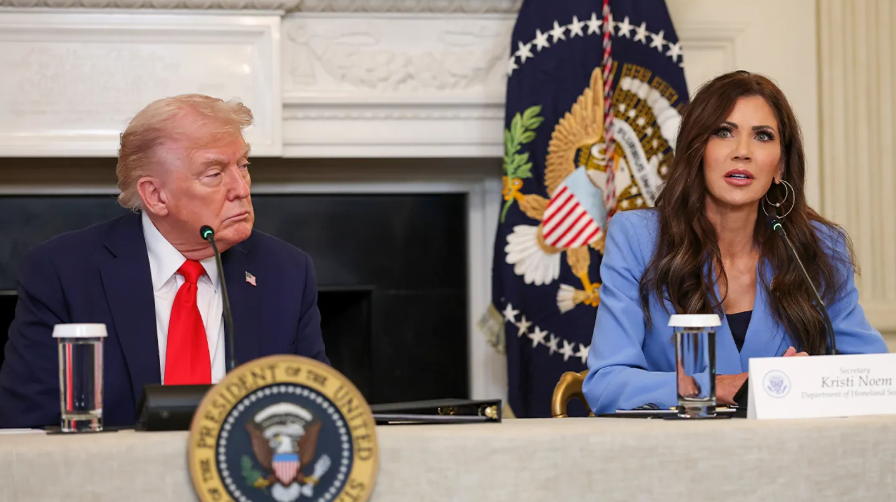
The United States government has broadened its travel ban policy by adding five additional countries to the list of nations whose citizens are barred from entering the country. The move marks one of the most significant expansions of travel restrictions in recent years, reflecting an ongoing effort by federal authorities to tighten immigration and border policies.
Under the updated policy, citizens of Burkina Faso, Mali, Niger, South Sudan, and Syria are now included among the list of countries whose nationals are prohibited from entering the United States. In addition, individuals carrying travel documents issued by the Palestinian Authority now face similar restrictions, effectively barring their entry under the expanded rules. euronews
The expanded travel ban is part of a broader immigration enforcement strategy that also places partial restrictions on numerous other countries, mainly in Africa and the Caribbean. Travelers from these nations may face limitations on tourist, student, and other nonimmigrant visas, although certain exemptions still apply for lawful permanent residents, diplomats, and those whose entry is deemed in the national interest. euronews
Government Explanation and Rationale
Officials cited concerns over national security, vetting challenges, and the inability to reliably verify identity documents from the added countries as reasons for the policy shift. The administration has framed the expanded travel ban as necessary to protect the United States from perceived security threats and to prevent individuals posing potential risks from entering the country. KPBS
According to federal authorities, some of the countries now subject to full restrictions have historically struggled with robust passport controls, identity verification systems, and cooperation on deportation agreements. These deficiencies have been described as obstacles to effective screening of visitors and prospective immigrants. KPBS
Partial Restrictions and Broader Impact
In addition to the countries fully banned from travel, the updated policy imposes partial travel restrictions on a larger group of nations. These measures may limit certain categories of visas, affecting tourism, study, and business travel from countries now partially restricted.
Exemptions remain in place for people already holding valid visas, lawful permanent residents, diplomats, athletes, and others whose entry is considered beneficial or necessary by U.S. authorities. These provisions aim to balance enforcement with practical considerations for trusted travelers.
Reactions and Broader Debate
The expanded travel ban has sparked debate among policymakers, advocacy groups, and international observers. Supporters of the policy praise it as a necessary step for strengthening border security and safeguarding national interests. Critics argue that broad travel restrictions can strain diplomatic relationships, disrupt family ties, and create economic challenges for countries heavily reliant on travel and remittances.
Human rights advocates and immigration experts have also raised concerns about the humanitarian impact of sweeping travel bans, particularly on refugees, students, and families seeking reunification.
Conclusion
The latest expansion of the U.S. travel ban reflects a continued emphasis on immigration control and border enforcement by the current administration. With additional countries now subject to full and partial restrictions, the policy overhaul represents a major shift in entry rules and underscores ongoing tensions in national discussions about security, immigration, and international relations.