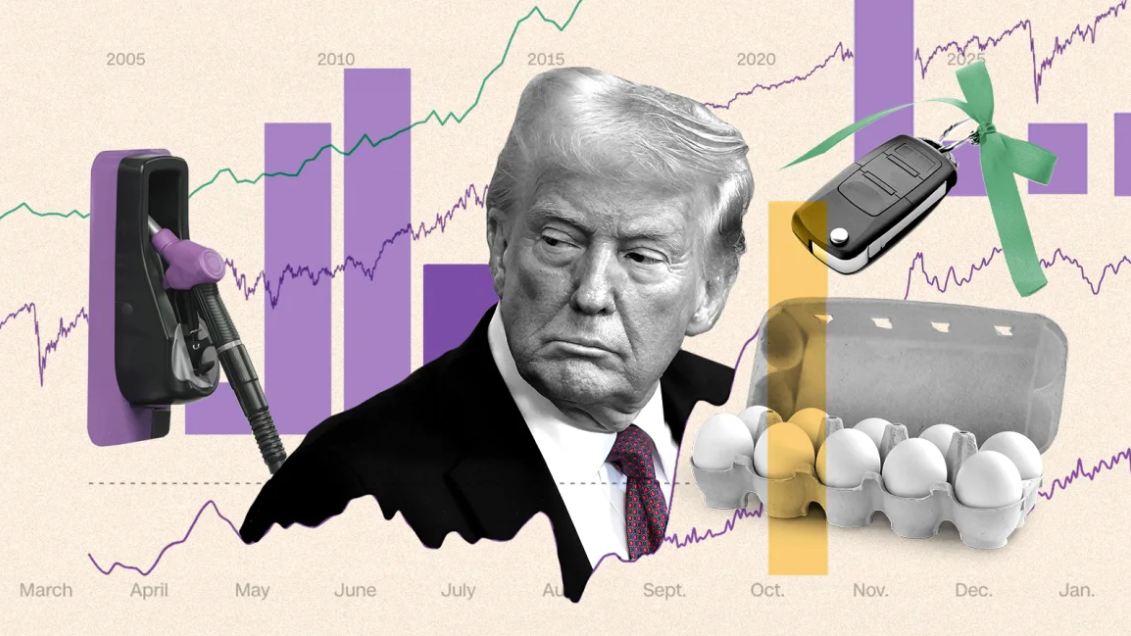
The United States economy remains at a critical juncture as it grapples with persistent challenges while showing signs of resilience in certain key areas. From rising consumer prices and shifting labor market trends to evolving fiscal and monetary policies, the economic picture for Americans is complex and shaped by both domestic and global forces.
Inflation and Cost of Living
One of the most pressing economic issues for households nationwide continues to be inflation. Although inflation rates have moderated somewhat from the rapid increases seen in previous years, many Americans still face high prices for everyday goods and services. Costs for essentials like groceries, housing, energy, and healthcare remain elevated compared with historical norms. For many families, this has tightened budgets and reshaped spending habits, with a growing number of consumers cutting back on non-essential purchases.
The Federal Reserve’s efforts to manage inflation by adjusting interest rates have played a central role in economic policy. Higher interest rates were implemented to cool price pressures, but these moves can also slow borrowing and investment, influencing other aspects of economic performance.
Labor Market Conditions
The U.S. labor market presents a mixed picture. Job growth continues, with employers adding positions across several key sectors, including healthcare, construction, and technology services. However, unemployment figures have edged higher compared with record lows from earlier periods, signaling a measured cooling in labor demand.
Many economists interpret this trend as a natural adjustment rather than a crisis, reflecting shifting economic patterns following post-pandemic recovery. Still, for individuals seeking work or wage growth, the labor market remains uneven, with certain industries experiencing more opportunities than others.
Consumer Confidence and Spending
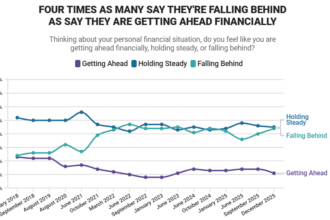
Consumer confidence, which reflects how optimistic households feel about the economy and their own financial situations, has fluctuated in recent months. Economic uncertainty, driven partly by inflation and global events, has made some consumers more cautious about spending, especially on big-ticket items. Such shifts in confidence can affect broader economic growth, since consumer spending accounts for a significant portion of the U.S. gross domestic product (GDP).
Federal Policy and Fiscal Outlook
Federal fiscal policies, including government spending decisions and taxation, continue to influence economic trends. Debates over budget priorities, public debt, and funding for key programs play out in political arenas, impacting business confidence and long-term planning.
The federal government’s approach to trade, tariffs, and regulation also feeds into the broader economic environment. Policies designed to encourage domestic industry or respond to global competition can have ripple effects on prices, supply chains, and international investment.
Housing Market Trends
The housing sector remains in the spotlight as well. Home prices have stabilized in many markets after surging during earlier years, but affordability remains a concern for many potential buyers due to higher mortgage rates. Rental costs have likewise risen in key metropolitan areas, placing additional strain on household budgets.
Outlook and Future Risks
Looking ahead, economists emphasize that the U.S. economy’s trajectory will depend on how key variables interact — including inflation, interest rates, employment, and global economic conditions. External factors such as geopolitical tensions, supply chain disruptions, and energy costs could also shape fiscal outcomes in the coming year.
Despite ongoing challenges, there are reasons for cautious optimism. Certain sectors show strength, productivity gains continue in technology and services, and policymakers have repeatedly shown a commitment to addressing economic imbalances.