President Trump renews pressure on Senate Republicans regarding the filibuster rule and legislative procedures.
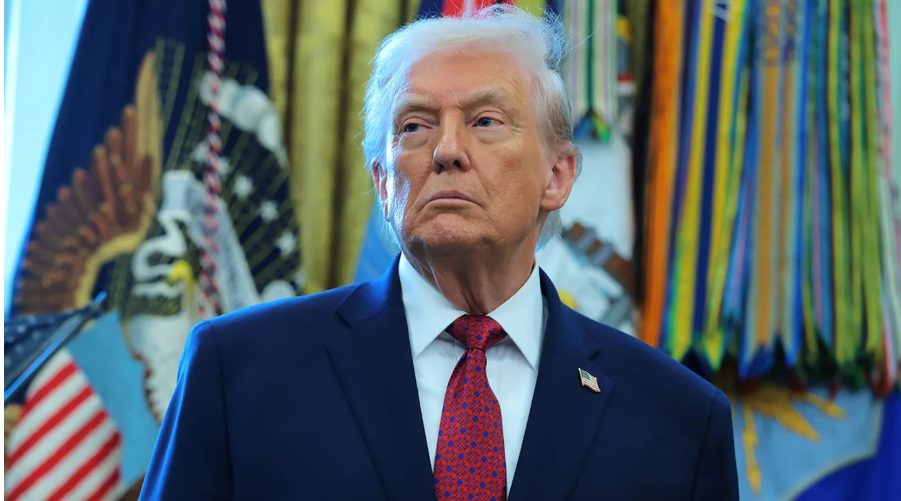
President Donald Trump has once again called on Senate Republicans to reconsider the long-standing Senate filibuster rule as Congress faces key legislative deadlines. The push reflects ongoing frustration within the Republican Party over stalled bills and continued congressional gridlock, particularly with a closely divided Senate where majorities are slim and bipartisan support is often necessary.
The filibuster rule, which generally requires 60 votes to advance most legislation in the Senate, has long been viewed as a procedural safeguard that encourages compromise and bipartisan efforts. However, Trump and some of his allies argue that the rule has become a significant barrier preventing Republican priorities from advancing, especially amid the recent prolonged government funding impasse.
In recent statements, Trump emphasized that altering or eliminating the filibuster could allow Republicans to pass critical legislation more easily without being blocked by minority party opposition. He noted that many GOP senators have expressed frustration with the procedural hurdles that have slowed or derailed efforts to pass funding bills and other key policy measures.
Republican Reactions and Internal Debate
Although Trump’s comments have resonated with some members of his party, Senate Republicans remain divided on the issue. A handful of GOP lawmakers have indicated that they are open to discussing changes to the filibuster, citing the ongoing challenges of passing major legislation with the current system.
Other Republican senators, however, caution against scrapping the filibuster entirely, arguing that it has historically served as an important check on concentrated power in the Senate. These lawmakers stressed that eliminating the rule could undermine institutional norms and make it harder to secure broad support for policy measures in the long term.
Despite these internal tensions, some supporters of Trump’s position suggest that a modified version of the filibuster — such as one that applies only to certain categories of bills — could be a compromise. They argue that targeted adjustments could preserve the Senate’s deliberative nature while allowing majority party priorities to move forward.
Political Context and Legislative Deadlines
Trump’s renewed call comes as lawmakers confront upcoming deadlines for government funding and other legislative priorities. With a narrow Republican majority in the Senate, GOP leaders have faced difficulty uniting their members and attracting any Democratic support for key measures.
Critics of the current filibuster rule contend that it contributed to recent legislative standstills, including extended debates over federal funding and other high-profile policy disputes. Trump and his allies have described the procedural roadblocks as unacceptable in a period where urgent issues demand timely action.
Democratic lawmakers and other critics of ending the filibuster argue that weakening or eliminating the rule could erode minority party protections and deepen partisan divisions in Congress. They maintain that compromise and negotiation should remain central to democratic governance, even when it slows the legislative process.
Looking Ahead
As the debate continues, the filibuster remains a focal point in discussions about Senate reform and legislative strategy. Whether Republicans ultimately decide to pursue changes to the rule could have far-reaching implications for the legislative agenda, party unity, and the broader political landscape.
With important deadlines approaching and public scrutiny on Capitol Hill intensifying, the coming weeks are likely to play a crucial role in shaping how the Senate addresses this procedural debate.