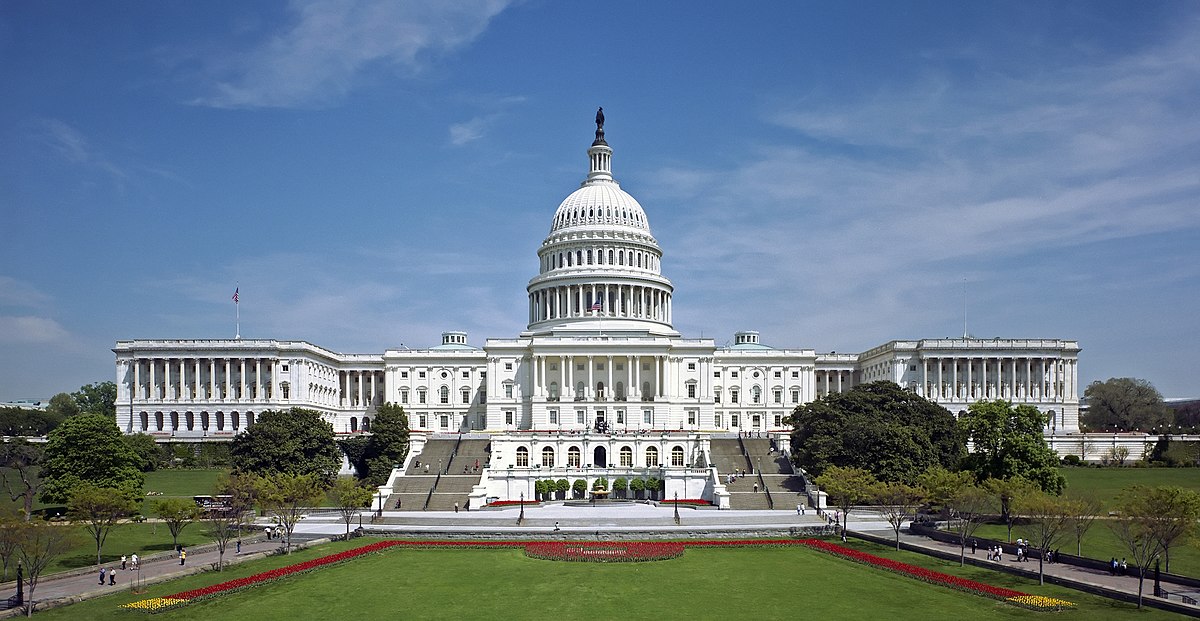
Washington is once again at the center of a high-stakes legislative confrontation as Democrats and Republicans struggle to find common ground on critical policy issues, raising concerns about potential gridlock and its impact on the nation.
At issue are several major legislative priorities, including federal spending, border security, and economic policy. With deadlines approaching, both parties have hardened their positions, making negotiations increasingly tense. Democratic leaders argue that proposed Republican measures could undermine social programs and economic stability, while Republicans contend that Democratic policies would expand government spending and worsen long-term deficits.
The divide has been especially visible in budget negotiations, where disagreements over funding levels and policy conditions have stalled progress. Lawmakers from both parties have publicly accused the other side of prioritizing political leverage over compromise, further escalating the standoff. As talks continue behind closed doors, the risk of a partial government shutdown or legislative delay remains a growing concern.
Adding to the pressure is the broader political climate, with election season intensifying partisan rhetoric. Both parties are positioning themselves to appeal to their core supporters, often leaving little room for bipartisan cooperation. Moderates in both chambers have called for practical solutions, warning that prolonged conflict could erode public trust in Congress.
The White House has urged lawmakers to reach an agreement, emphasizing the potential economic and institutional consequences of inaction. Business groups, federal agencies, and advocacy organizations have also weighed in, cautioning that uncertainty in Washington could disrupt markets and government operations.
As the deadline nears, the outcome of the legislative showdown remains uncertain. Whether leaders can bridge the partisan divide may determine not only the fate of key legislation but also the public’s perception of Congress’s ability to govern effectively during a period of heightened political tension.