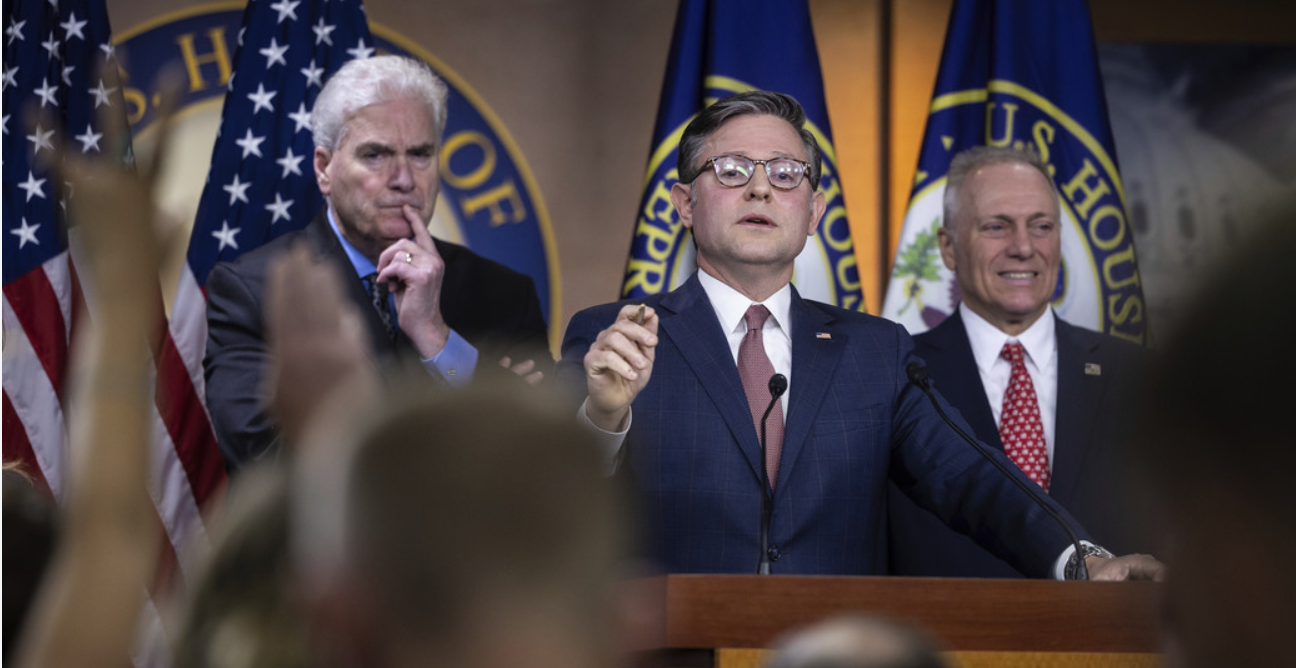
Deepening divisions within the Republican Party are creating new challenges for former President Donald Trump as he works to maintain control over a fractured political coalition. While Trump continues to command strong loyalty among his base, disagreements among GOP lawmakers and party leaders are complicating efforts to present a unified front ahead of critical political battles.
At the center of the divide are contrasting views on governance, party direction, and electoral strategy. Some Republicans are urging a return to traditional conservative priorities, including fiscal restraint and limited government, while others remain closely aligned with Trump’s populist agenda and confrontational political style. These differences have become more visible during debates over legislation, leadership roles, and campaign messaging.
Trump has responded to the internal tension by intensifying pressure on Republican lawmakers to remain loyal, frequently using public statements and campaign-style rhetoric to reinforce his influence. Allies argue that Trump’s approach energizes voters and strengthens turnout, while critics warn it risks alienating moderates and independents needed to win competitive elections.
The divide has also affected Republican messaging on key national issues, including the economy, immigration, and foreign policy. Lawmakers aligned with Trump often emphasize hardline positions, while others push for compromise to avoid legislative gridlock. This split has led to stalled negotiations and visible disagreements within Congress, drawing attention from voters and political observers alike.
As election season approaches, Republican strategists are increasingly concerned about the long-term impact of these divisions. A fractured party could struggle to counter Democratic unity, particularly in closely contested races. Some GOP leaders are calling for reconciliation and a clearer policy platform, while Trump continues to assert that loyalty to his leadership remains essential to the party’s success.
Whether the Republican Party can bridge these internal gaps may determine not only Trump’s political future but also the GOP’s broader prospects in upcoming elections. For now, the divisions remain a defining challenge, shaping strategy, messaging, and the party’s identity at a critical moment.