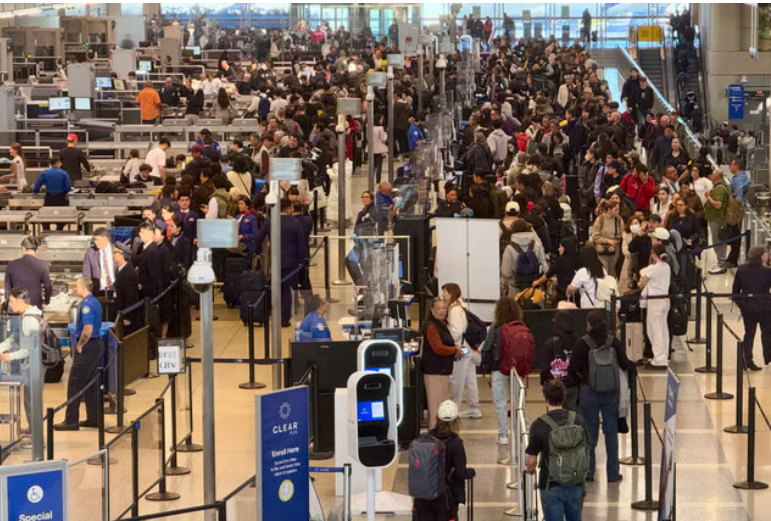
The Trump administration has directed the Transportation Security Administration (TSA) to share passenger name information with Immigration and Customs Enforcement (ICE, a move that has intensified concerns about immigration enforcement and personal privacy. The decision represents a significant expansion of cooperation between federal travel security agencies and immigration authorities.
Under the directive, TSA is authorized to provide ICE with passenger identification data collected during airport security screening. Supporters of the policy say it will help immigration officials locate individuals who are in the country illegally, while critics argue it could blur the line between travel security and immigration enforcement.
Expanded Role for TSA
Traditionally, TSA’s mission has focused on aviation safety and threat prevention rather than immigration enforcement. The new policy shifts part of that role, allowing ICE to use passenger information to identify individuals of interest, including those with outstanding removal orders or unresolved immigration cases.
Administration officials argue that the measure strengthens national security by ensuring that federal agencies share information more effectively. They contend that individuals who violate immigration laws should not be shielded by gaps between government systems.
Privacy and Civil Liberties Concerns
Privacy advocates and civil liberties groups have raised alarms about the potential misuse of passenger data. Critics warn that sharing traveler information could lead to increased surveillance and the targeting of individuals who have not committed serious crimes. There are also concerns that U.S. citizens and legal residents could be swept into enforcement actions due to errors or outdated records.
Opponents of the policy say it could discourage travel, particularly among immigrant communities, and create fear at airports where people expect routine security screening, not immigration checks.
Political Reaction and Legal Questions
The directive has sparked sharp political reactions. Supporters within the Republican Party have praised the move as a tough but necessary step to enforce immigration laws. Democratic lawmakers and advocacy organizations, however, have called for congressional oversight and raised questions about whether the policy complies with existing privacy protections.
Legal experts note that the directive could face court challenges, particularly if it is shown to violate data-sharing limits or constitutional protections. Some states and local governments are also examining how the policy could affect cooperation with federal agencies.
Broader Impact on Immigration Enforcement
The TSA data-sharing order is part of a broader effort by the Trump administration to expand immigration enforcement tools across federal agencies. Combined with increased deportation priorities and tighter border controls, the move signals a more aggressive approach to identifying and removing undocumented immigrants.
As implementation begins, the long-term effects of the policy remain uncertain. What is clear is that the decision has reignited a national debate over how far the federal government should go in enforcing immigration laws while safeguarding individual privacy and civil liberties.