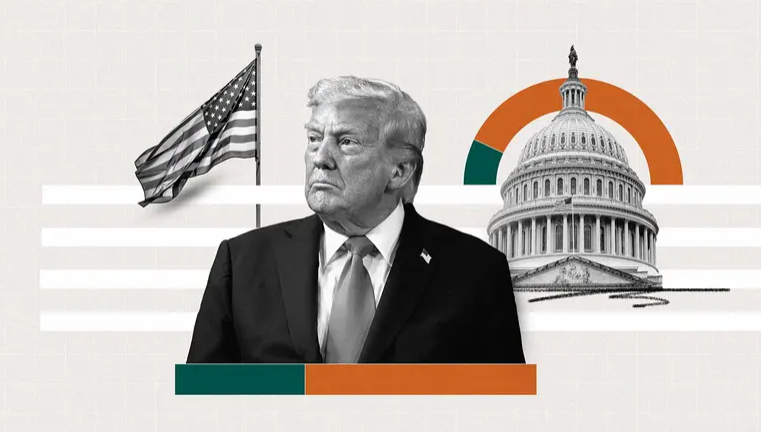
Recent nationwide polling indicates that President Donald Trump’s approval ratings have fallen to historically low levels across several key issues, especially his handling of the economy and cost of living, reflecting growing public dissatisfaction as the United States heads into the 2026 election cycle. Reuters
According to a Reuters/Ipsos poll, Trump’s overall approval rating has dropped to 39 percent, near the lowest point of his second term. Support for his handling of the economy specifically stands at just 33 percent, while confidence in his management of the cost of living is even lower. These figures represent a significant decline compared with earlier in his presidency and show widening discontent among voters nationwide. Reuters
Public Concerns Over the Economy and Key Policies
Economic concerns appear to be driving much of the broader dissatisfaction. Persistent inflation and rising living costs have weighed on public confidence, with many voters reporting that they feel less financially secure than they did a year ago. In response, only about one-third of Americans now approve of the president’s economic performance — a record low in recent polls. Reuters
Polling from other sources also confirms this trend, showing similar declines in support for Trump on various issues, including tariffs and healthcare. In multiple surveys, the president’s approval rating on these matters has continued to slip, with majorities of respondents expressing disapproval of his handling of national economic challenges. Finance & Commerce
Broader Political Implications
The decline in approval ratings has wide political implications as the nation moves closer to critical midterm elections and potential future presidential contests. Political analysts suggest that low public confidence in key areas such as economic policy and cost of living may influence voter turnout and shape campaign strategies for both major parties. Reuters
Despite the slump, support remains relatively stronger in certain areas. For example, some of Trump’s initiatives on border security and immigration enforcement continue to receive comparatively higher marks among specific voter groups. However, these areas have not offset the overall decline in approval tied to growing concerns about everyday financial pressures. Finance & Commerce